

Which Fish Can Go with Cichlids in a Fish Tank? 10 Safe Tank Mates List (2026 Guide)
Cichlids are known for their territorial and sometimes aggressive nature, so choosing tankmates for them requires careful consideration. However, there are certain species of fish that can coexist with cichlids, provided the aquarium is large enough, the water conditions are suitable, and there are plenty of hiding spaces.
Here are some fish species that can go with cichlids in a tank:
1. Catfish (Corydoras, Synodontis, Plecos)
- Corydoras Catfish: These peaceful bottom dwellers do well with smaller, less aggressive cichlids like dwarf cichlids (Apistogramma or Bolivian rams). They help keep the tank clean by scavenging uneaten food.
- Synodontis Catfish: These African species are often good choices for larger, more aggressive African cichlids, as they are hardy and can tolerate a bit of aggression.
-
Plecos: Certain types of Plecos, such as the Bristlenose Pleco, can do well in a cichlid tank. They are tough, armored fish that won’t be easily bullied and will help keep algae in check.

2. Other Cichlids
- Dwarf Cichlids: Some cichlids, like the smaller and less aggressive dwarf cichlids (e.g., Apistogramma, Kribensis, or German Blue Rams), can coexist with other peaceful cichlids.
-
Mbuna and Other African Cichlids: In African cichlid tanks, you can keep a variety of species together if the tank is large enough and there are enough territories (rocks and caves). Cichlids from Lake Malawi or Lake Tanganyika, such as Peacock Cichlids or Mbuna, often do well when kept with their own kind.

3. Rainbowfish
Rainbowfish are fast swimmers and tend to stay in the middle or upper parts of the tank, avoiding much of the aggression from cichlids. Species like Boesemani Rainbowfish or Australian Rainbowfish are good companions for cichlids as they are large, active, and colorful.

4. Giant Danios
Giant Danios are active, fast-moving fish that can out-swim most cichlids. Their speed and schooling behavior help them avoid cichlid aggression, making them suitable tankmates, especially for larger or more aggressive cichlids.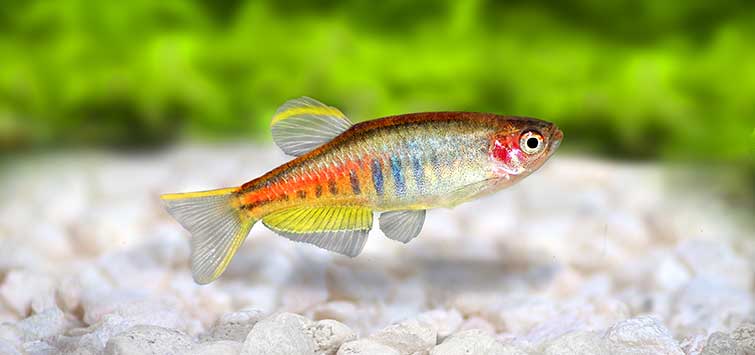
5. Silver Dollar Fish
Silver Dollars are peaceful, large-bodied fish that can be a good match for larger, less aggressive cichlids. Their size helps deter aggressive behavior, and they tend to stay in groups, which makes them less vulnerable.
Important Considerations:
- Tank Size: A large tank with plenty of space and hiding spots (rocks, caves, plants) is essential when keeping cichlids with other fish.
- Water Conditions: Ensure that the fish you're pairing with cichlids can tolerate the same water parameters. African cichlids, for example, prefer hard, alkaline water, while South American cichlids prefer softer, slightly acidic water.
- Aggression Levels: Always match the aggression level of your tankmates. Pairing peaceful fish with aggressive cichlids will likely result in injuries or fatalities.
- Territories: Cichlids are territorial, so providing enough space and hiding spots is critical to reduce aggression.
By carefully selecting compatible fish, managing aggression, and providing the right environment, it’s possible to have a peaceful community tank with cichlids.
Frequently Asked Questions: Tank Mates for Cichlids
Q1: Can cichlids coexist with other fish?
A1: It's possible, though not always. Tank mates will thrive depending on cichlid species, the size of the tank, and the layout. As most cichlids are territorial, look for compatible and sturdy tank mates!
Q2: Who makes great tank mates for African cichlids?
A2: Synodontis catfish, several types of suckermouth catfish (like the bristly!), and speedy fish (think giant danios, rainbowfish) all make good partners since they can handle similar water parameters and fighting.
Q3: Is it OK to keep peace-loving fish with cichlids?
A3: Usually not a good idea. Without an expansive tank layout filled with caves and crannies, smaller peaceable fish are likely to get stressed and might even be injured.
Q4: How big a tank do I need for cichlids and others?
A4: A large aquarium is essential. 55-75 gallons is the minimum for mixing, but a 100+ gallon tank will do much more to curb fighting and territorial displays.
Q5: Do cichlids require a place to hide in their tank?
A5: Yes, indeed. Hiding spaces in a cichlid tank can range from natural rocks, caves, and driftwood to plants or other ornaments. Such spaces help to create distinct territories for the cichlids and, in doing so, minimize territorial disputes between cichlids in the same tank.
Q6: Can different species of cichlids be kept together?
A6: In some situations, yes, especially in cichlid biotope setups that mimic African Rift Lake species (Malawi and Tanganyikan cichlids), provided that tank size and species are carefully chosen. Too few fish and/or too small a tank can exacerbate dominance conflicts.
Q7: Why do my cichlids act aggressively toward other fish in the tank?
A7: Cichlids are by nature territorial animals and will vigorously defend their territory from anything they consider to be a trespasser or threat. These aggressive behaviors are typically enhanced in a tank that is too small or overcrowded, or that lacks adequate structural complexity to create a defined territory.

Common Issues and Solutions for Keeping Cichlids Together
Common problems with cohabitation in cichlids include aggression, territorial disputes, stress in weaker individuals, and competition for food, which can often be attributed to inadequate tank space, a lack of structural variation in the aquascape, and incompatible species choices.
Prevention and solutions involve the addition of more hiding spots (rocks, caves) to establish territories, manipulating tank size and stocking density to break up groups of fish and diffuse aggression, offering several food points to create opportunities for individual fish to eat without competition, and removing any individuals that show prolonged signs of stress. Stable water parameters and avoidance of housing species with drastically differing ecological needs can prevent such conflicts.


